
What did people drink before coffee? 6 popular beverages
Long before coffee became popular, people around the world enjoyed a wide variety of drinks, from beer and wine to herbal infusions and honey-based beverages. These drinking traditions were shaped by local cultures, available ingredients, and everyday life.
This post is a little off-topic for the website, as it will focus on the drinks our ancient ancestors consumed before the arrival of coffee.
Before coffee appeared, people drank water, milk, beer, wine, herbal infusions, tea, and various fermented beverages. However, the choice of drink depended on the region, historical period, and a person's social status.
It is worth remembering that coffee became popular in the Middle East around the 15th-16th centuries, while in Europe it only gained popularity in the 17th century.
Beer and Ale
In medieval Europe, beer was an everyday drink. It was consumed by peasants, craftsmen, and city dwellers. There were also weaker varieties of beer with a low alcohol content, such as small beer - a weak beer that was often brewed using malt that had already been used to produce stronger beer. Its alcohol content could be approximately 0.5-2.5%.
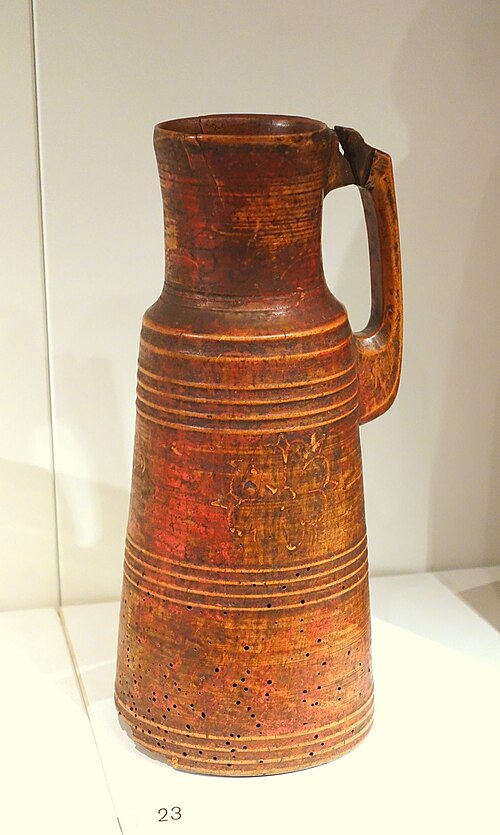
In the territory of modern Germany, a type of small beer called Dünnbier became popular. The name literally means "thin beer," and it had a lower alcohol content than regular beer.
In Poland, people drank Piwo cienkie - "thin" or weak beer, which was an everyday drink among the lower and middle classes.
Wine
In Ancient Greece, Rome, and the Mediterranean region, wine was an important part of culture and everyday life. It was often diluted with water.
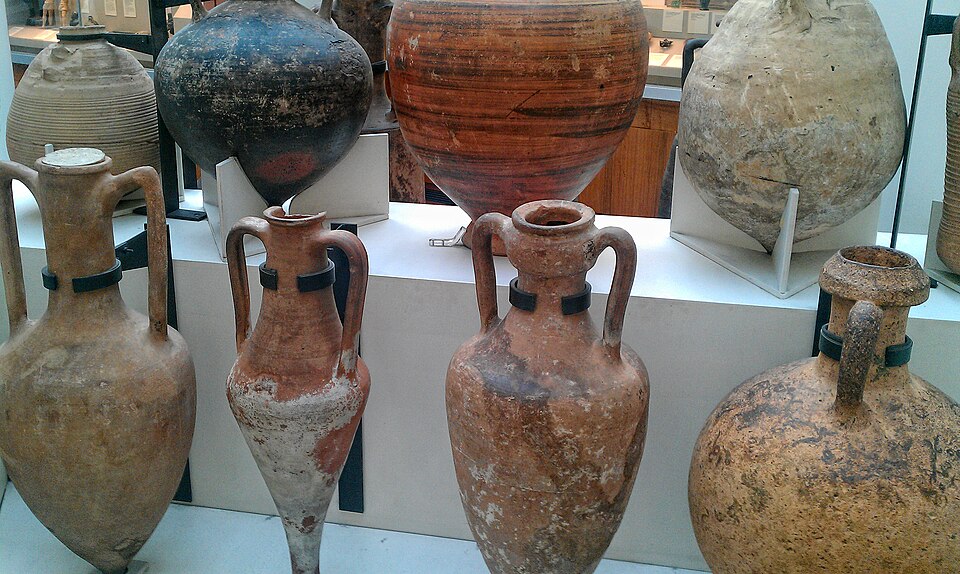
With the arrival of Christianity, wine also acquired religious significance, primarily because it symbolizes the blood of Jesus Christ and is used in one of the main Christian rituals - the Eucharist (Holy Communion).
During the Eucharist, bread is used to represent the body of Christ, while wine represents His blood.
And since wine was necessary for religious services, monasteries and churches supported viticulture. Monasteries played a particularly important role in France, Germany, and Italy - countries that are traditionally known for winemaking today.
Tea



In China, tea was consumed long before coffee became widespread. Later, it became popular in Japan and other parts of Asia.
In Europe, tea became widely popular around the same time as coffee - in the 17th century, thanks to the Age of Exploration.
Herbal Infusions
 Herbal tea warms the body and soothes the soul. Photo: © imago/Andreas Berheide.
Mint, sage, chamomile, and other plants collected from fields and forests were brewed in water. Such drinks were used both for everyday consumption and for medicinal purposes.
Honey-Based Drinks
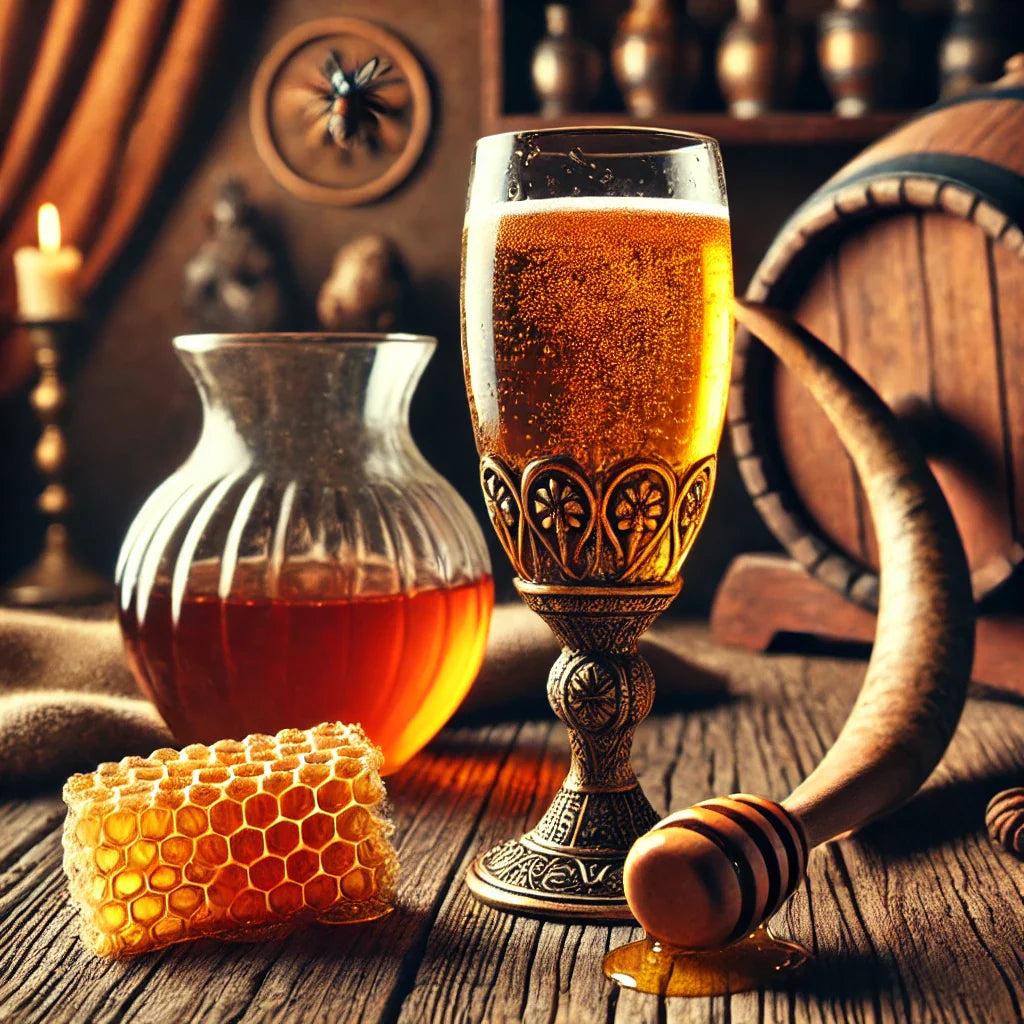 Traditional mead - a fermented honey-based drink popular in medieval Europe.
Mead and other fermented honey-based drinks had been known in Europe for many centuries and were widespread among different social classes.
They were consumed during celebrations, feasts, and in everyday life.
Sherbet (şerbet)
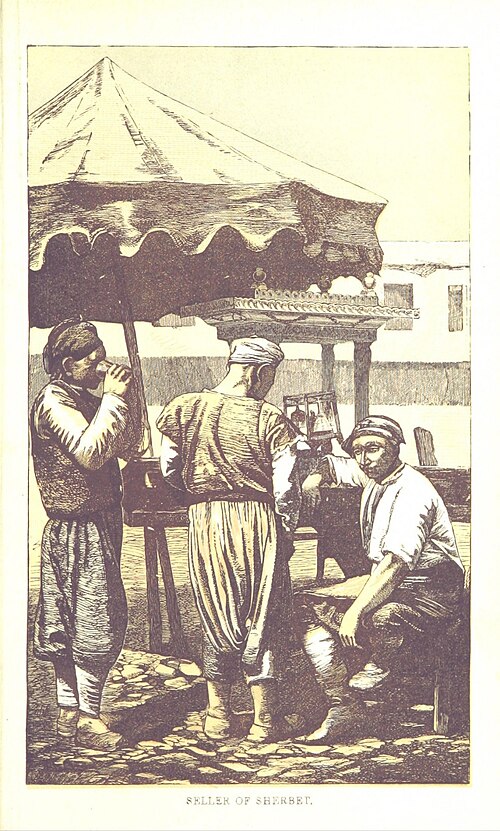 Traditional Turkish Sherbet (Şerbet) - a popular sweet drink in the Ottoman Empire before coffee

In the Middle East, sweet drinks made from fresh or dried fruits, flowers, herbs, sugar, or honey were popular.
They were served chilled, especially during the warmer months, or prepared as a concentrate that could be eaten with a spoon or diluted with water to make a drink.
In the Ottoman Empire, spices and fruits intended for use in sherbets were grown under the supervision of pharmacists and physicians from the Sultan's palace.
This drink remains quite popular even today.